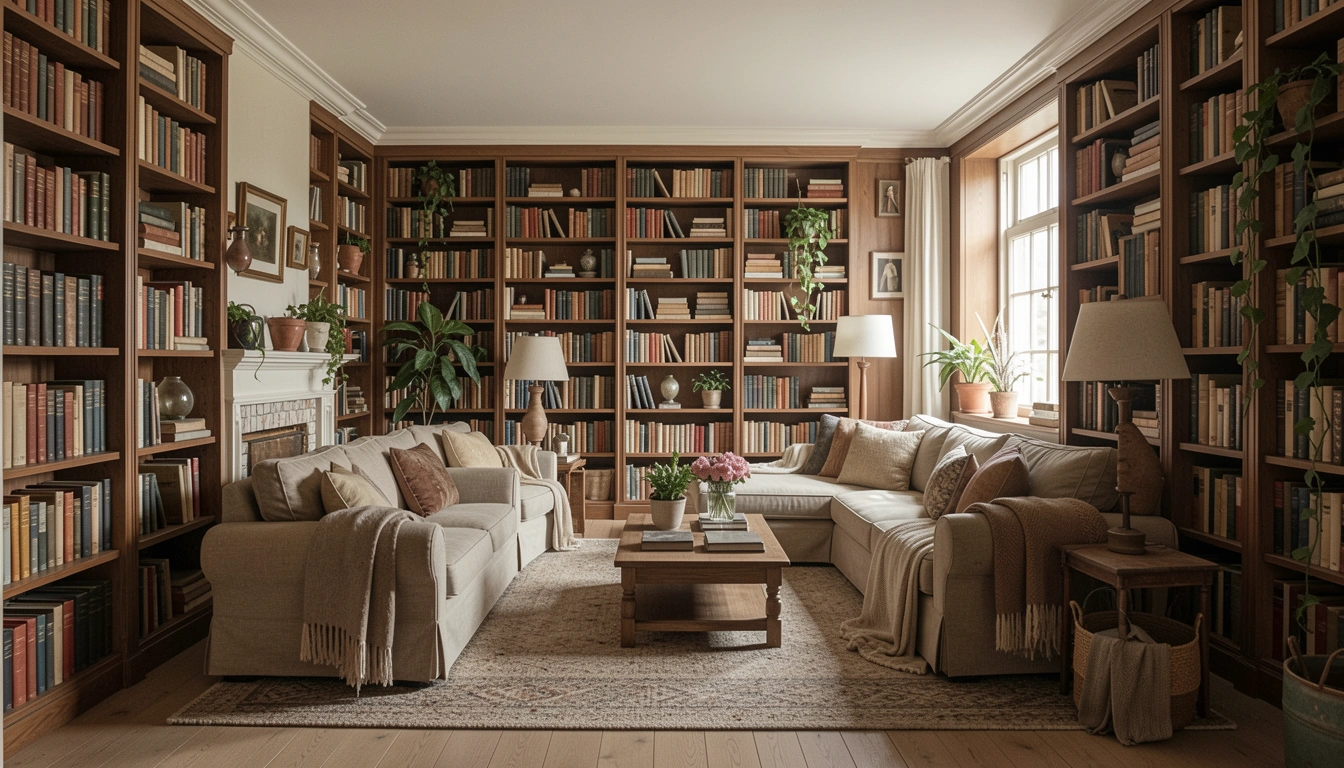
My living room always felt too open. Empty walls stared back. I had books stacked in boxes, but no place for them. The space lacked that pull to sit and read.
One corner gathered dust. Chairs sat unused. I wanted a spot that drew me in, quiet and steady.
I started small. Now it holds my books without crowding.
How To Turn A Living Room Into A Library That Feels Magical
This shows you how to fit bookshelves into your living room so it feels balanced and calm. You'll end up with a cozy reading spot that fits your life. It's changes I made myself, step by step.
What You’ll Need
- Tall oak ladder bookshelf, 72 inches high
- Cozy linen armchair, beige, 32 inches wide
- Wool area rug, 8×10 feet, neutral gray
- Brass table lamp, 24 inches tall
- Woven storage baskets, set of 3, natural seagrass
- Velvet ottoman, dark green, 18 inches
- Wall-mounted reading light, matte black
Step 1: Clear and Map Your Walls
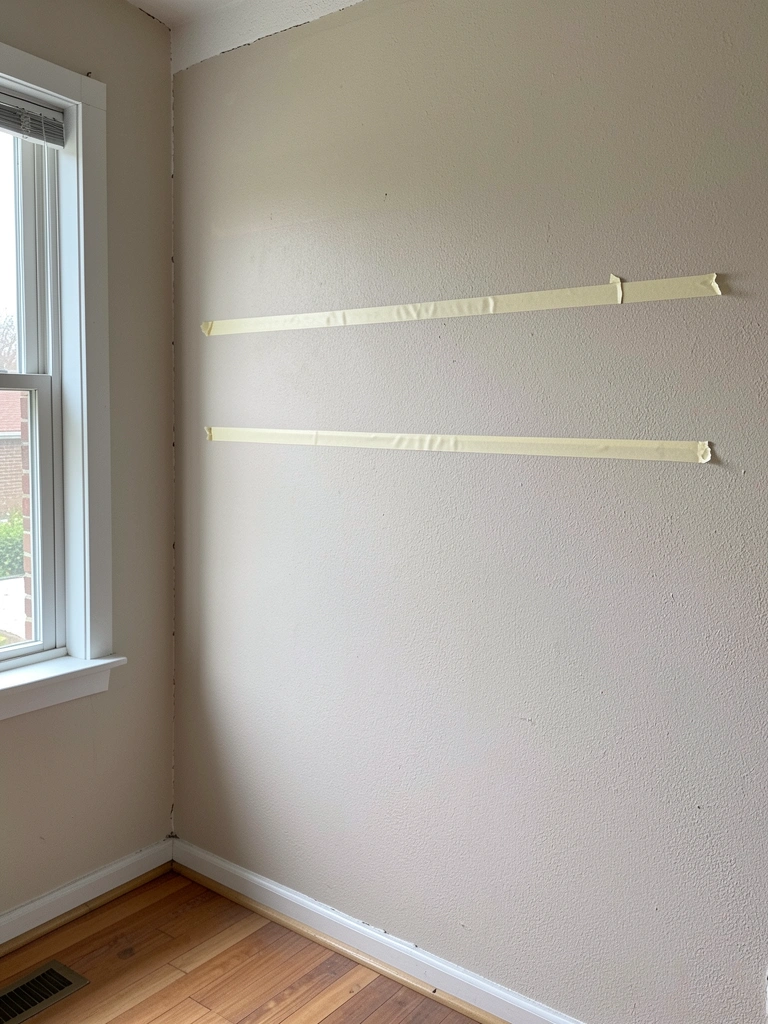
I start by moving furniture aside. This lets me see the room's real shape. Walls show their lines. I walk through, feeling the flow.
One insight: most miss how light hits corners. Test by standing where you'll read. Shadows change everything.
Visual shift: space breathes. Avoid pushing everything against one wall—it blocks movement.
Don't cram shelves too soon. Measure twice. I once placed one wrong and it pinched the walkway.
Step 2: Place the Main Bookshelf
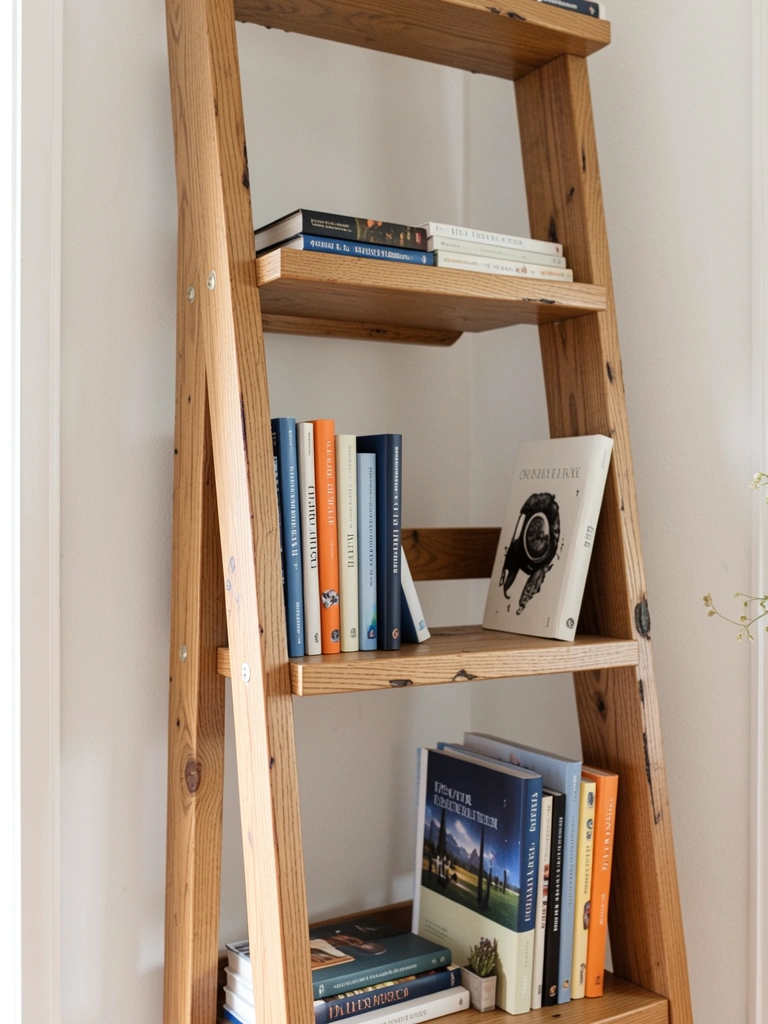
I pick the longest wall. Anchor the tall ladder shelf there. It grounds the room without dominating.
Why? It creates a backdrop. Books will layer against it later. The room feels taller now.
People overlook shelf height. Mine reaches near the ceiling—pulls eyes up. Avoid low shelves; they weigh the space down.
Step back. Does it balance the sofa? Adjust an inch. That small move evens the feel.
Step 3: Layer Books and Objects
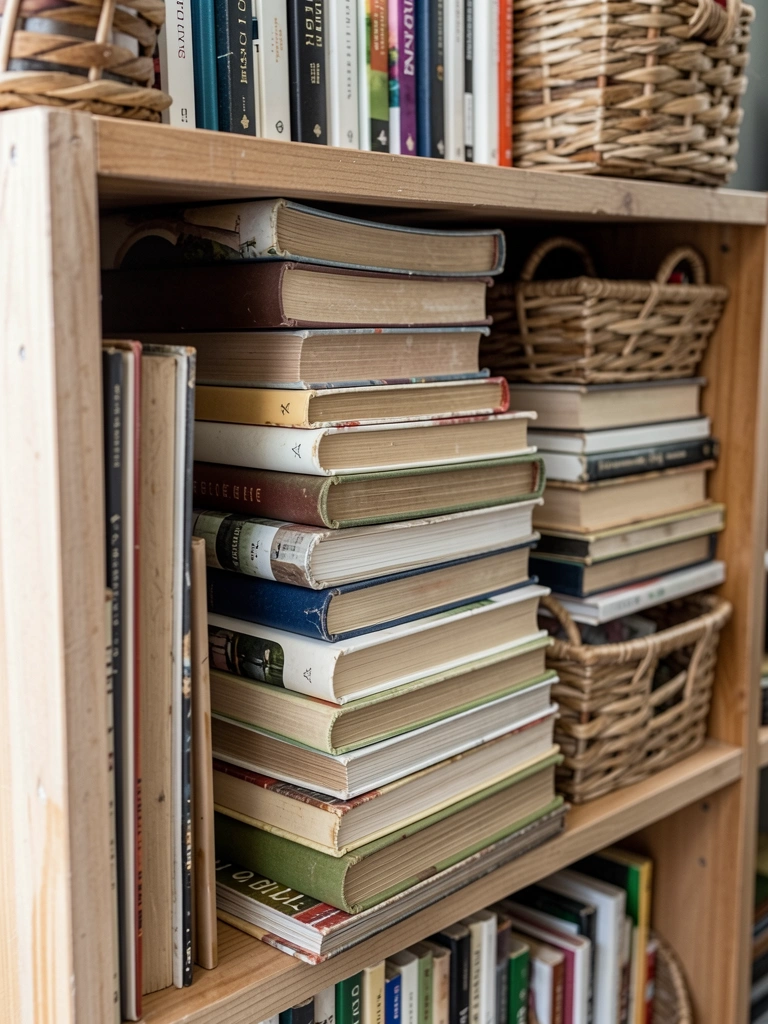
I unpack books slowly. Mix sizes—tall ones back, short forward. Add baskets for odds.
This builds depth. Shelves look full but not stuffed. Light catches edges.
Missed insight: group by color subtly. It calms the eye. Don't line all spines even; tilt some.
Common error: overfill every shelf. Leave gaps for air. My room feels open this way.
Step 4: Add Seating for Comfort
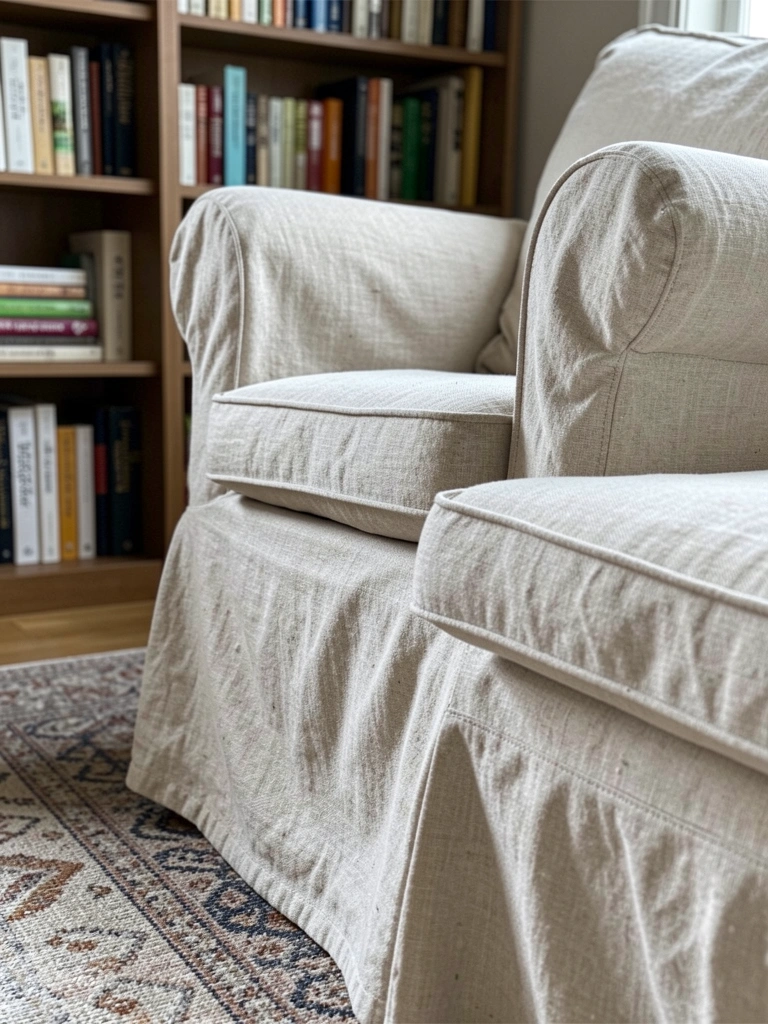
I slide the armchair facing the shelf. Ottoman nearby. Rug under both ties it.
Now it invites sitting. Flow connects reading to rest. Visual calm settles.
Insight: angle chair slightly. Direct face feels stiff. Avoid centering perfectly—off-center warms it.
Test by sitting. Reach for a book? Good. Wrong spot kills the pull.
Step 5: Layer Light and Textiles
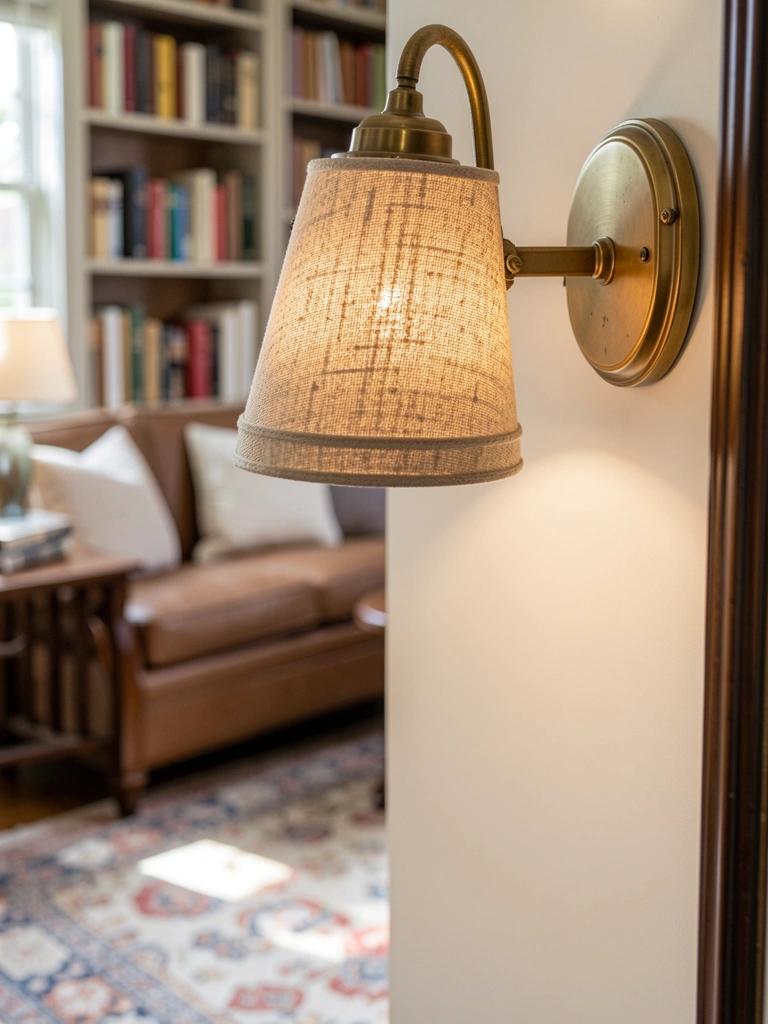
Table lamp on a side table. Wall light above chair. Drape a throw over arm.
Light pools warm. Reading eases in. Textiles soften hard lines.
Overlooked: mix light sources. One lamp flattens. Don't hang lights too high; shadows hide books.
Balance now holds. Room feels complete.
Balancing Full Shelves and Open Space
I watch for clutter. Full shelves cozy up fast.
Keep 20% empty. Air flows.
- Rotate books seasonally.
- Use baskets for magazines.
- Step back weekly—adjust leans.
This keeps balance. My space stays breathable.
Creating Quiet Reading Flow
Paths matter. From door to chair, no blocks.
Angle furniture 10 degrees off walls.
- Test walk nightly.
- Rug defines zones.
- Low pieces ease entry.
Flow pulls you in. No dead ends.
Everyday Library Care
Dust weekly. Books settle.
- Wipe shelves damp cloth.
- Re-straighten quarterly.
- Swap tired displays.
It stays lived-in, not dusty. Effort pays quiet rewards.
Final Thoughts
Start with one shelf. See how it sits.
You'll feel the shift. Your room holds stories now.
Sit with a book tonight. It's yours.
Leave a Reply